
How We’re Growing Clean
Aeroponics lets us grow premium ginseng with less waste, less space, and more control right here, close to you.


Water-smart
Recirculating fine mist feeds roots precisely; minimal runoff.

Land-light
Vertical racks, compact footprint; farm where shops and people are.

Residue-aware
Soil-free environment, clean handling, chilled from harvest.

Always-fresh
Leaf-to-root intact; grown indoors, protected from weather swings.

Traceable
Seedling → harvest → chill (0–4 °C) → delivery, all logged.

Ginseng Growing Methods:
Traditional vs Hydroponics vs Aeroponics
See how growing method impacts cleanliness (pesticides), whole-plant freshness, batch consistency, water use, and traceability.

Traditional Outdoor Ginseng Farming
- Soil-Based: Grown in natural soil, often under shade structures to mimic forest conditions. Higher risk of contamination and inconsistent yield.
- Disavantage: Long growth cycle (4–6+ years), prone to pests, pesticides, and climate issues.
- Quality: Varies due to soil conditions and weather.
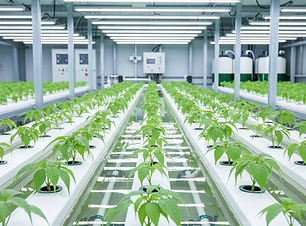
Hydroponic Ginseng Cultivation
- Water-Based: Plants grow with roots submerged in nutrient-rich water channels.
- Limited Control: While soil-less, still faces risks of waterborne pathogens and algae. Less oxygen exposure compared to aeroponics.
- Space Usage: More efficient than outdoor, but still uses more space than vertical aeroponics.

The Future of Ginseng: Aeroponic Cultivation
- Clean Science: Ginseng is grown with roots suspended in air and misted with nutrient-rich water.
- Quality: Enables whole-plant harvest (leaf–stem–root) with consistent quality.
- Sustainable: Vertical farming maximizes space and allows for precise control of light, nutrients, and environment for optimal root development.